Category
Monasteries & Deserts
Where silence became a vocation.
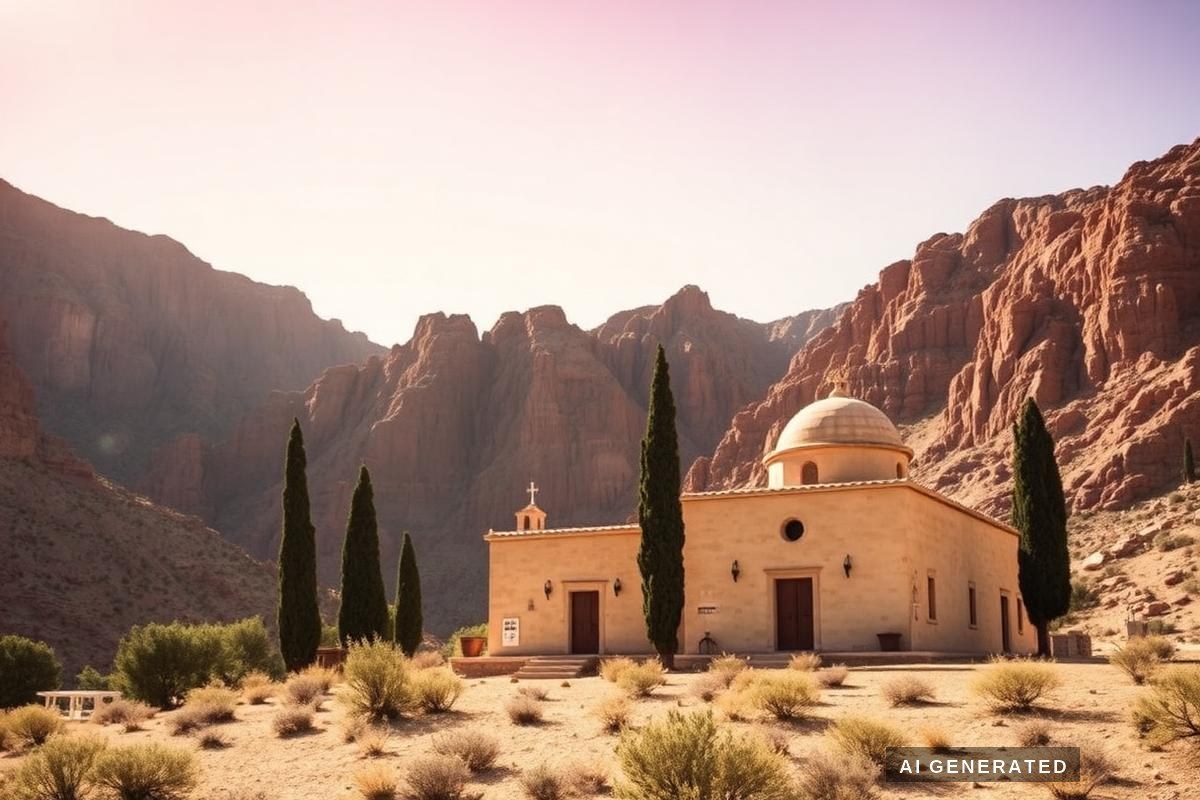
Desert monasteries and mountain monastic communities preserve the oldest continuous Christian life in the world. Visit Mount Athos in Greece, St Catherine's Monastery at Mount Sinai, the rock monasteries of Meteora and the desert fathers' cells of Wadi el-Natrun — with visiting rules, permits, dress codes and the history of Orthodox and Coptic monasticism behind each ancient monastery.
10 destinations
 5/5 Significance
Saint Catherine, Egypt
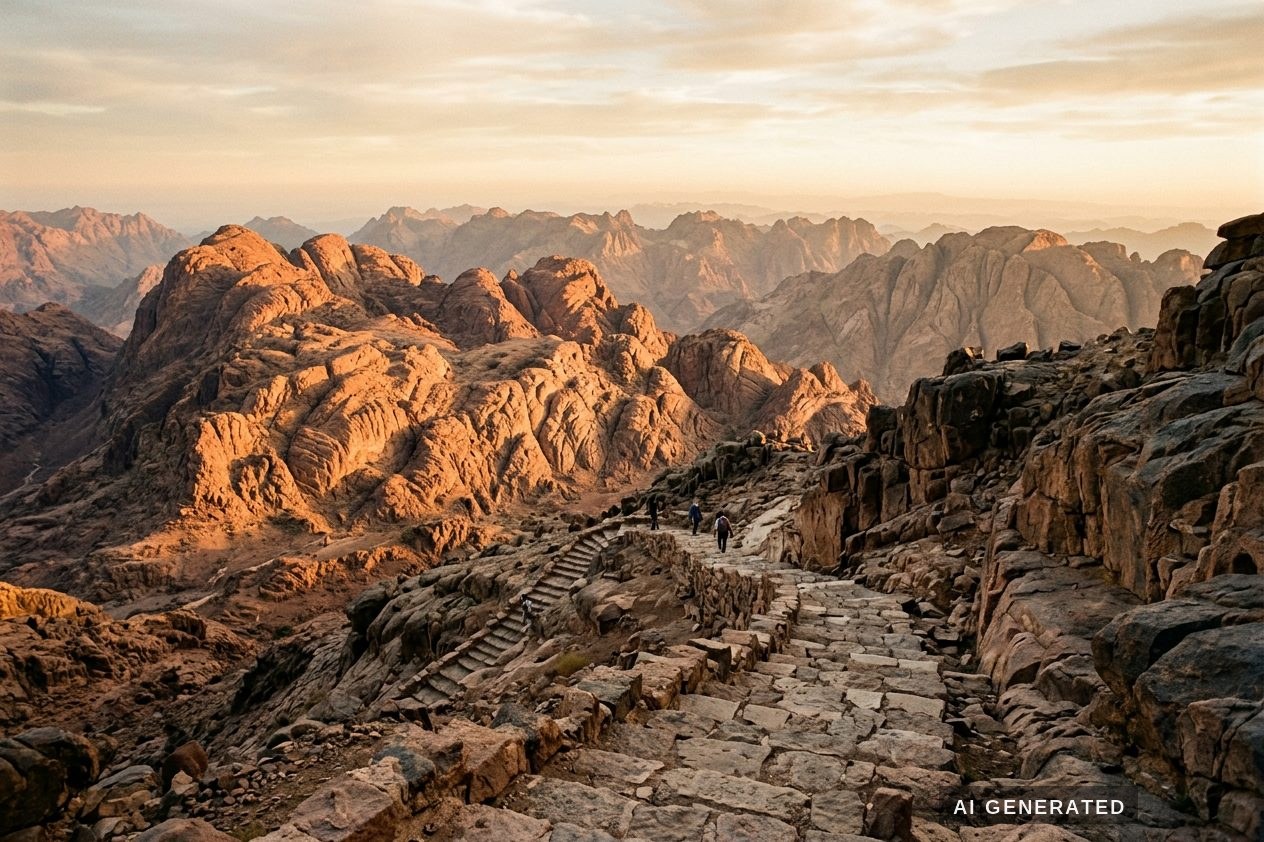
Mount Sinai
The 2,285-metre mountain where, according to Jewish, Christian and Muslim tradition, Moses received the Ten Commandments.
 5/5 Significance
Saint Catherine, Egypt
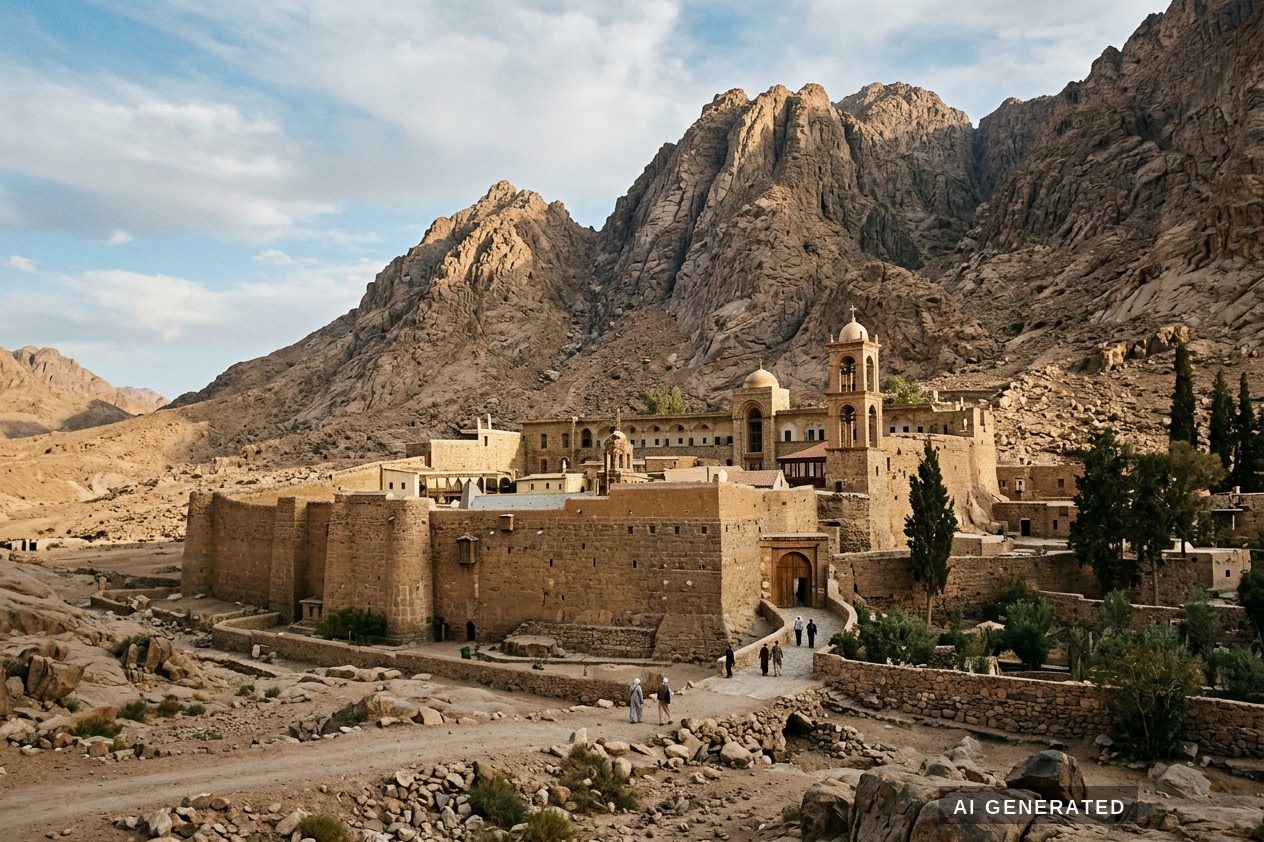
Saint Catherine's Monastery
The oldest monastery still in use, built around the bush where God spoke to Moses. It holds a world-famous library.
 5/5 Significance
Qumran, Israel
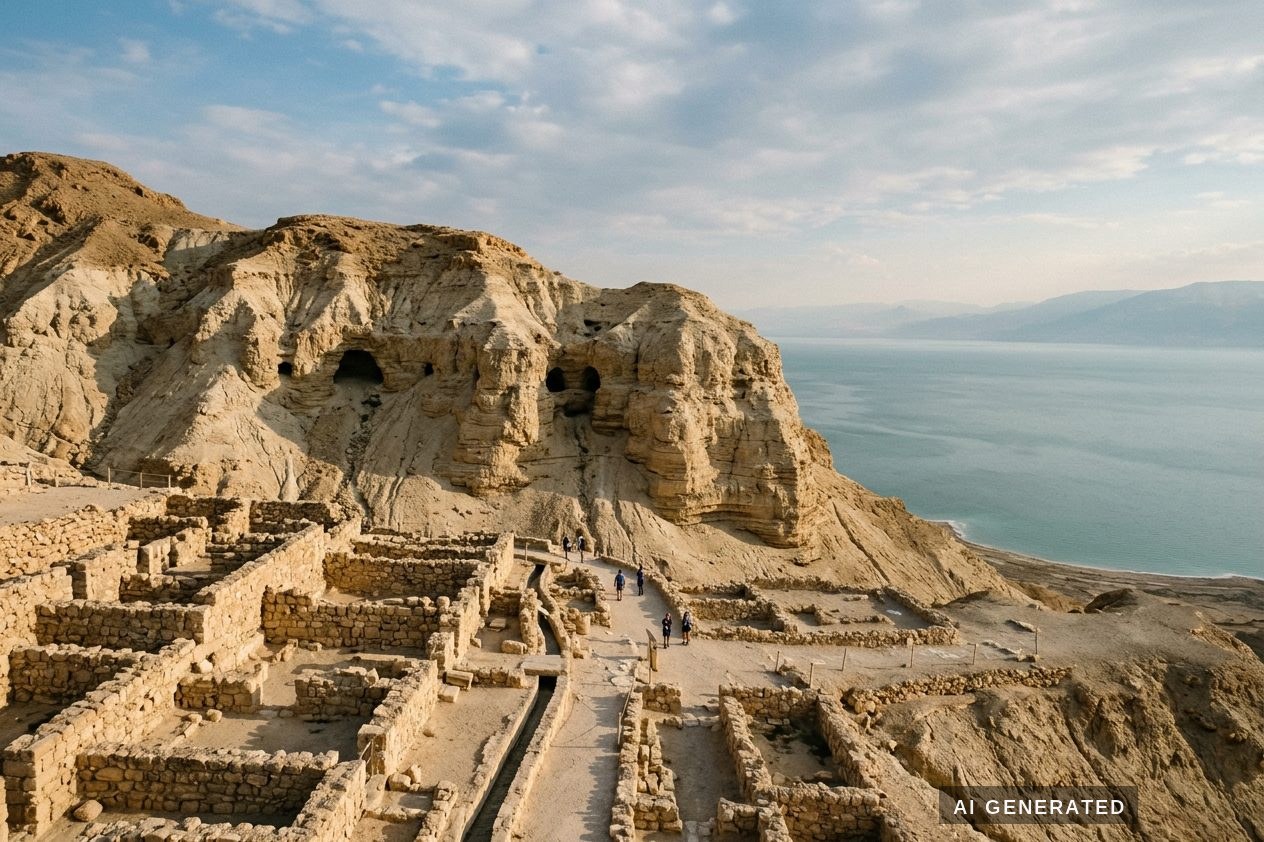
Qumran
Caves above the Dead Sea where a shepherd boy found the Dead Sea Scrolls, the oldest Bible texts we have.
 5/5 Significance
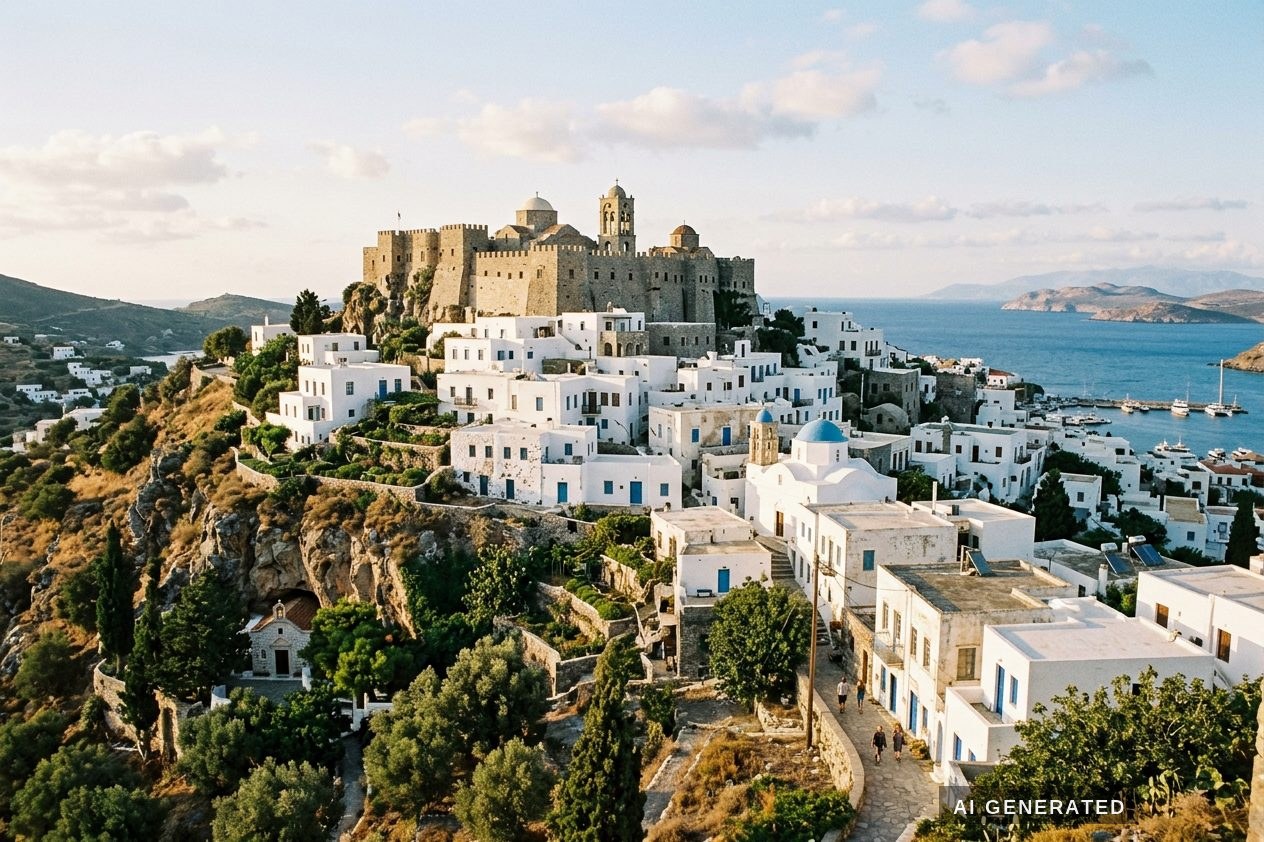
Chora, Greece
Patmos
The Greek island where John was sent away as a prisoner and wrote the book of Revelation. His cave is still there.
 4/5 Significance
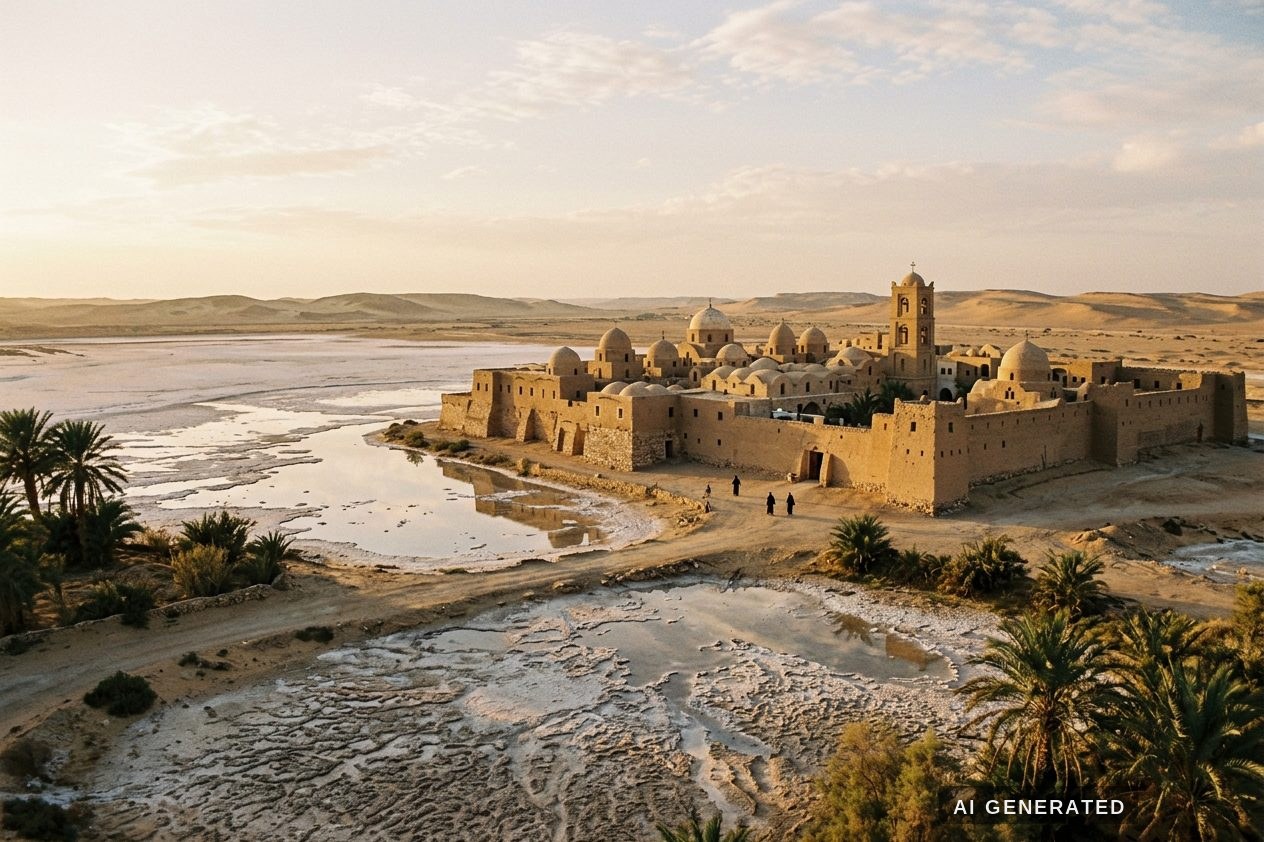
Wadi El Natrun, Egypt
Wadi El Natrun
The Egyptian desert where monk life began. Four Coptic monasteries still work the same land today.
 3/5 Significance
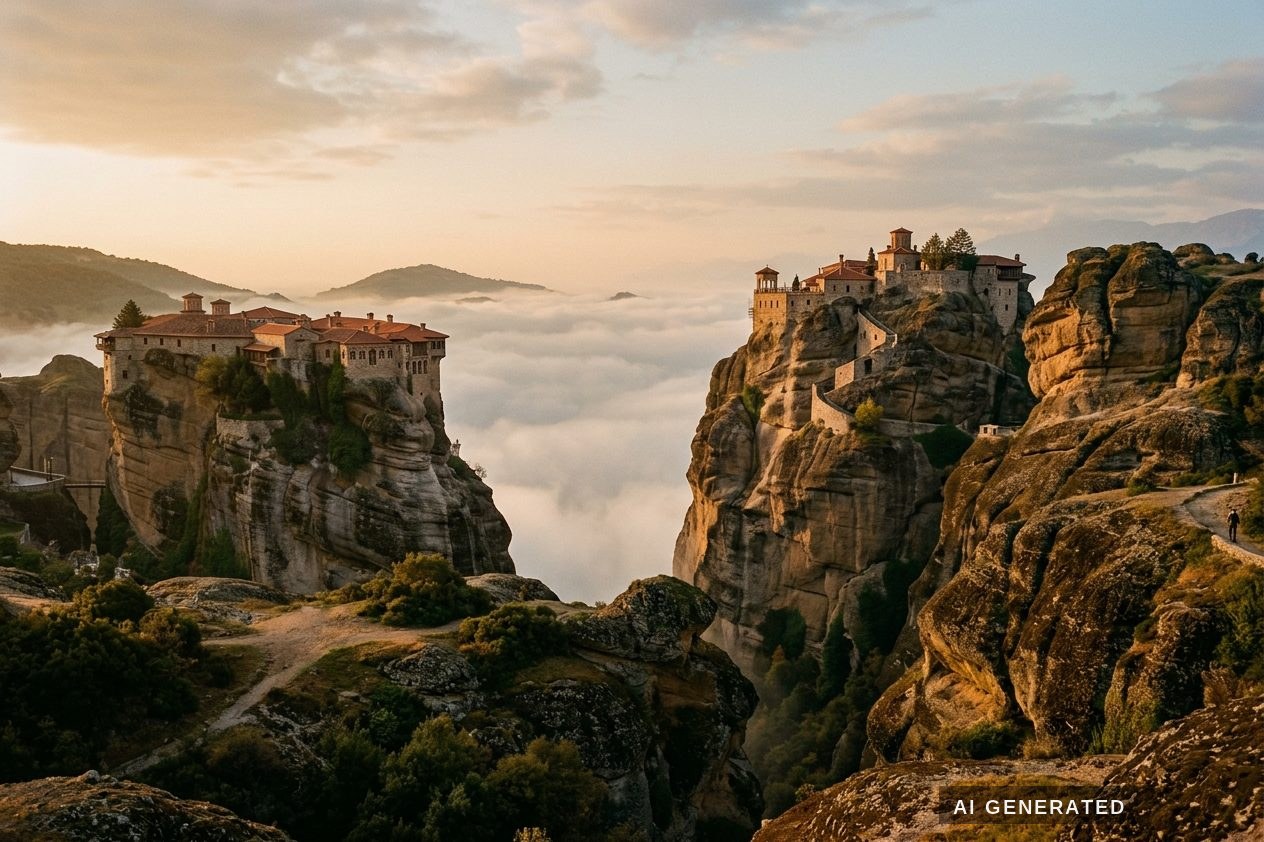
Kalambaka, Greece
Meteora
Six monasteries built on top of tall rock towers, 300 metres above the plains of Greece.
 3/5 Significance
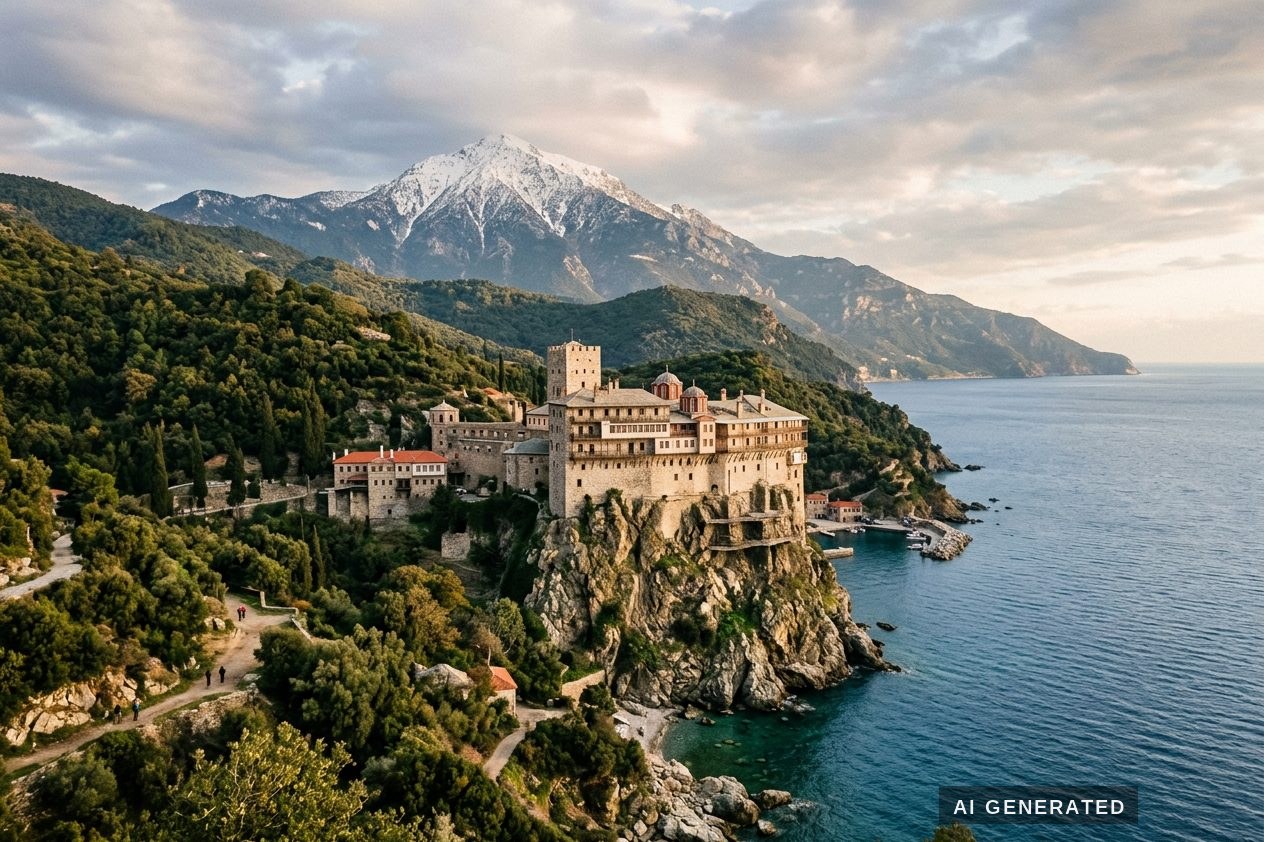
Karyes, Greece
Mount Athos
A Greek peninsula with 20 Orthodox monasteries. It has its own rules, keeps the old calendar, and women may not enter.
 3/5 Significance
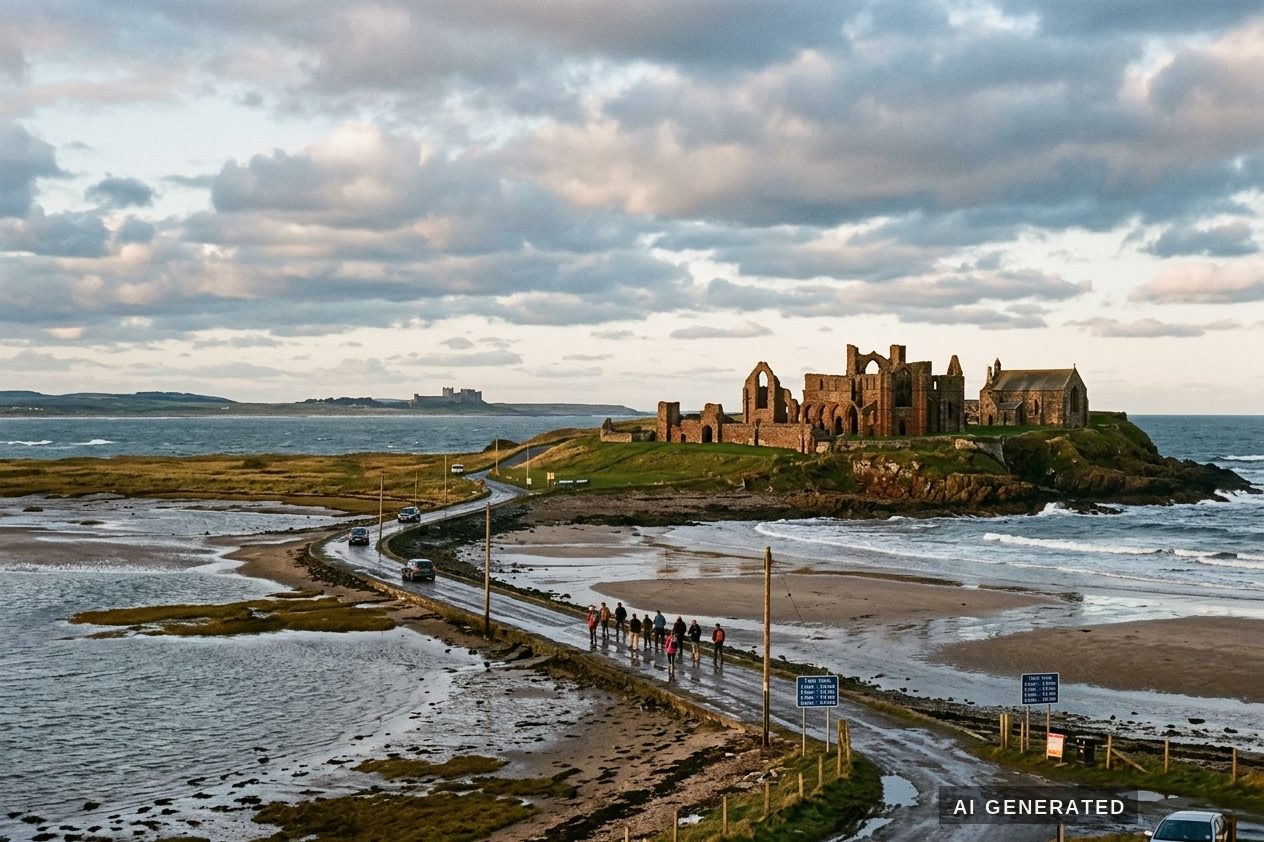
Holy Island, United Kingdom
Lindisfarne
A small island you can only reach at low tide. Irish monks brought Christianity to northern England from here.
 3/5 Significance
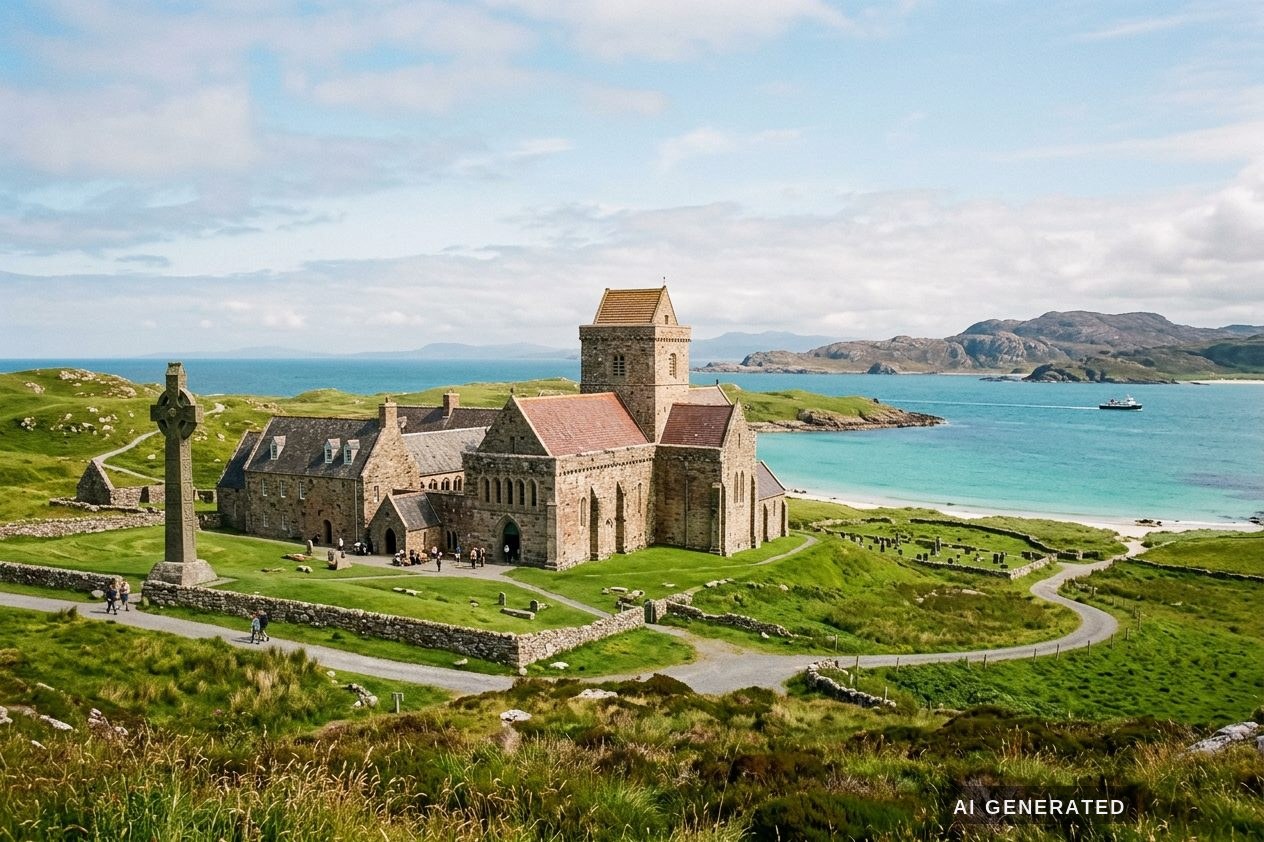
Isle of Iona, United Kingdom
Iona Abbey
A tiny Scottish island where the monk Columba landed in 563. Christianity spread across Scotland from here.
 3/5 Significance
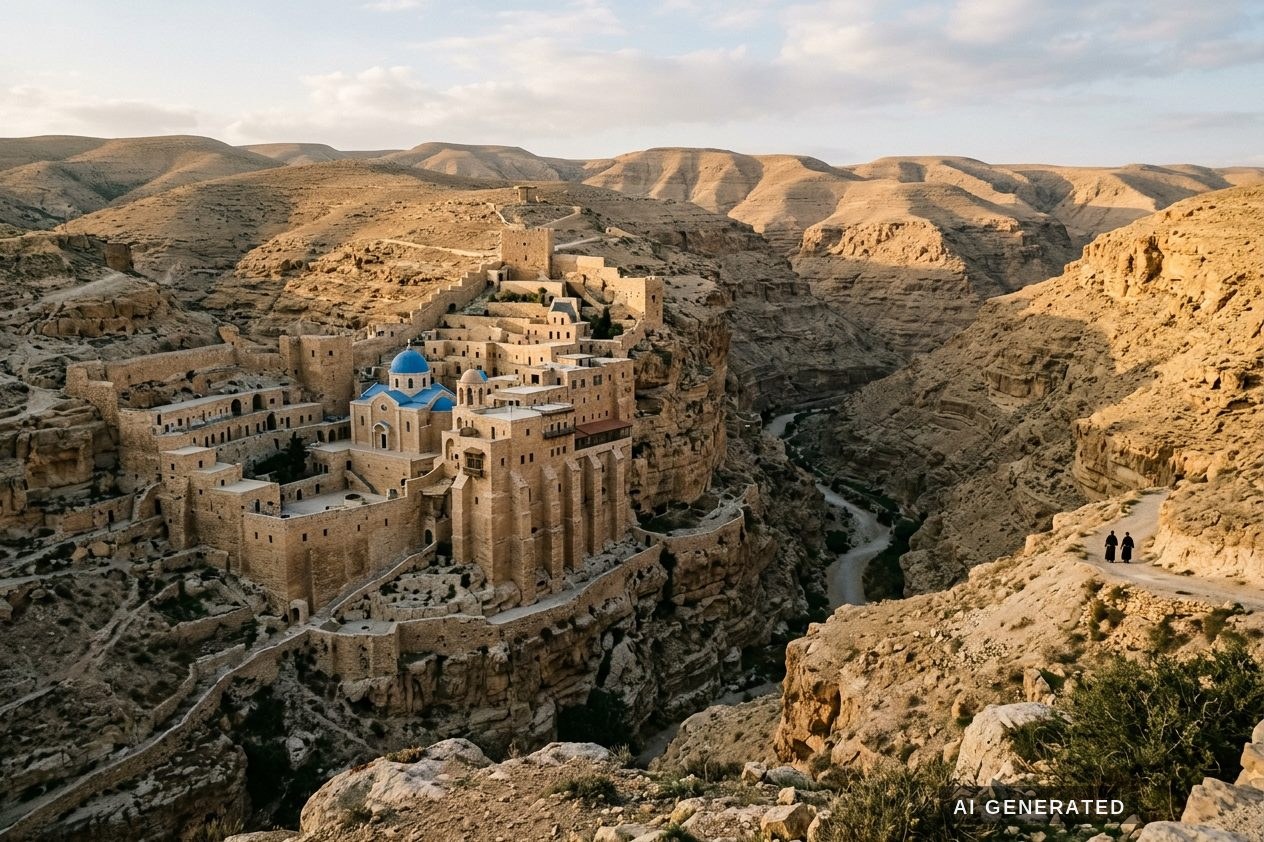
Bethlehem Governorate, Palestine
Mar Saba
A monastery clinging to a desert cliff since the 400s. Monks still live there and still use oil lamps.