Category
Relics & Holy Objects
Contested, venerated, still drawing crowds.
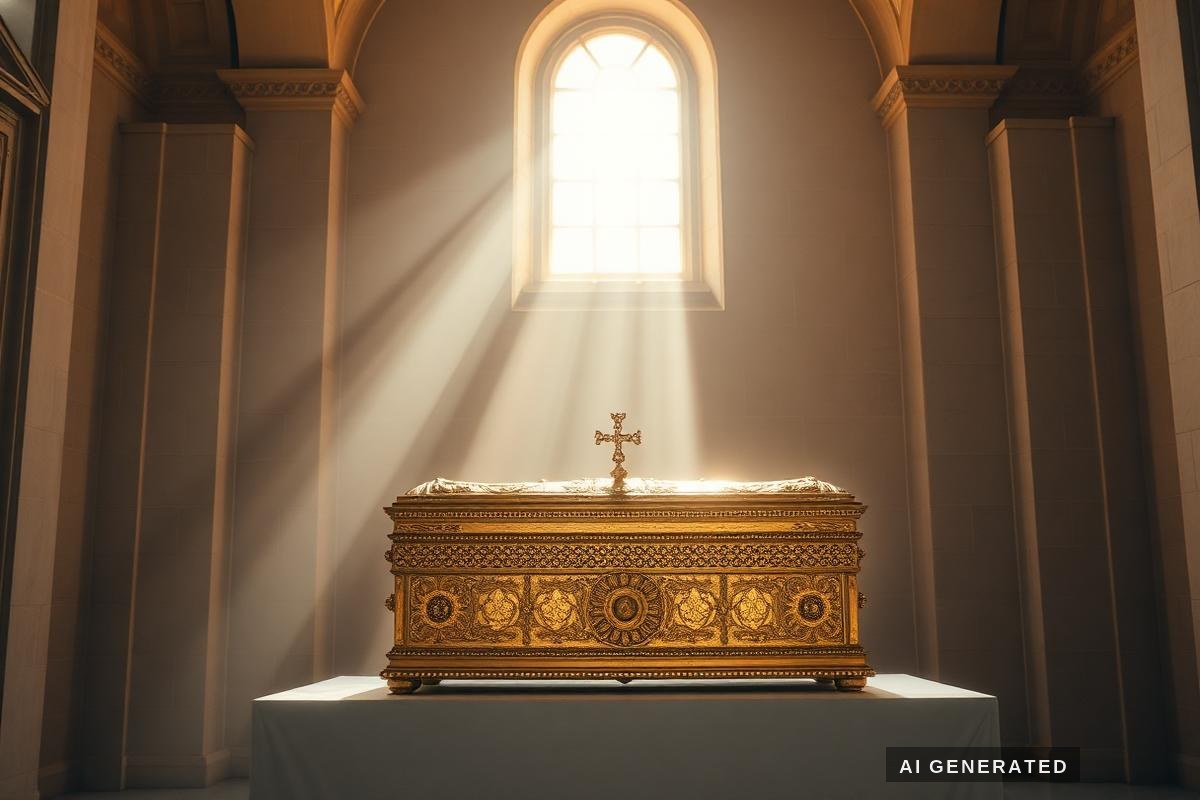
Christian relics and holy objects — the Shroud of Turin, true cross fragments, saints' remains and venerated icons — attract pilgrims and historians alike. This guide explains what each famous relic is, where it is kept, when it is put on public display and what scholarship says about its authenticity.
9 destinations
 5/5 Significance
Jerusalem, Israel
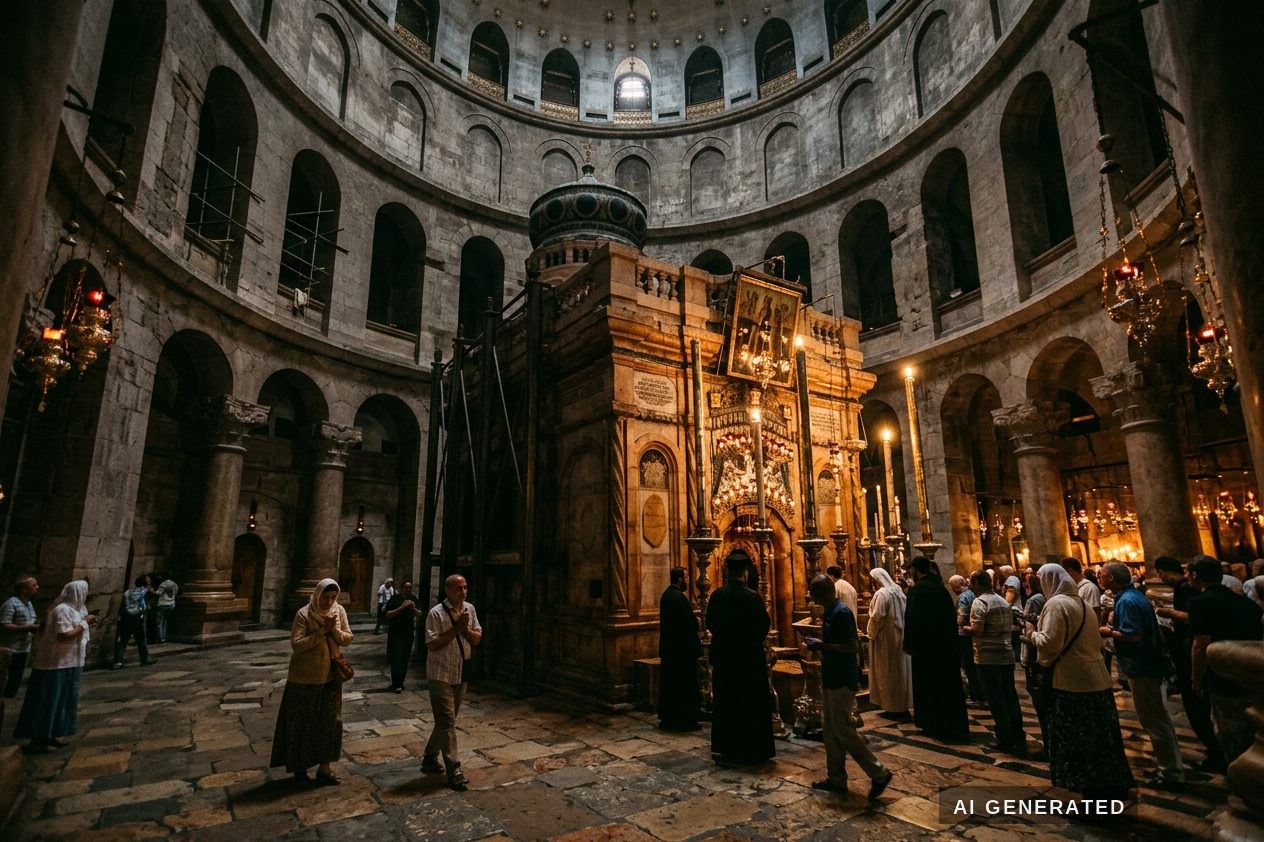
Church of the Holy Sepulchre
The church built where Christians believe Jesus was crucified and buried, and where he rose again. Six different churches share the same building.
 4/5 Significance
Vatican City, Vatican City
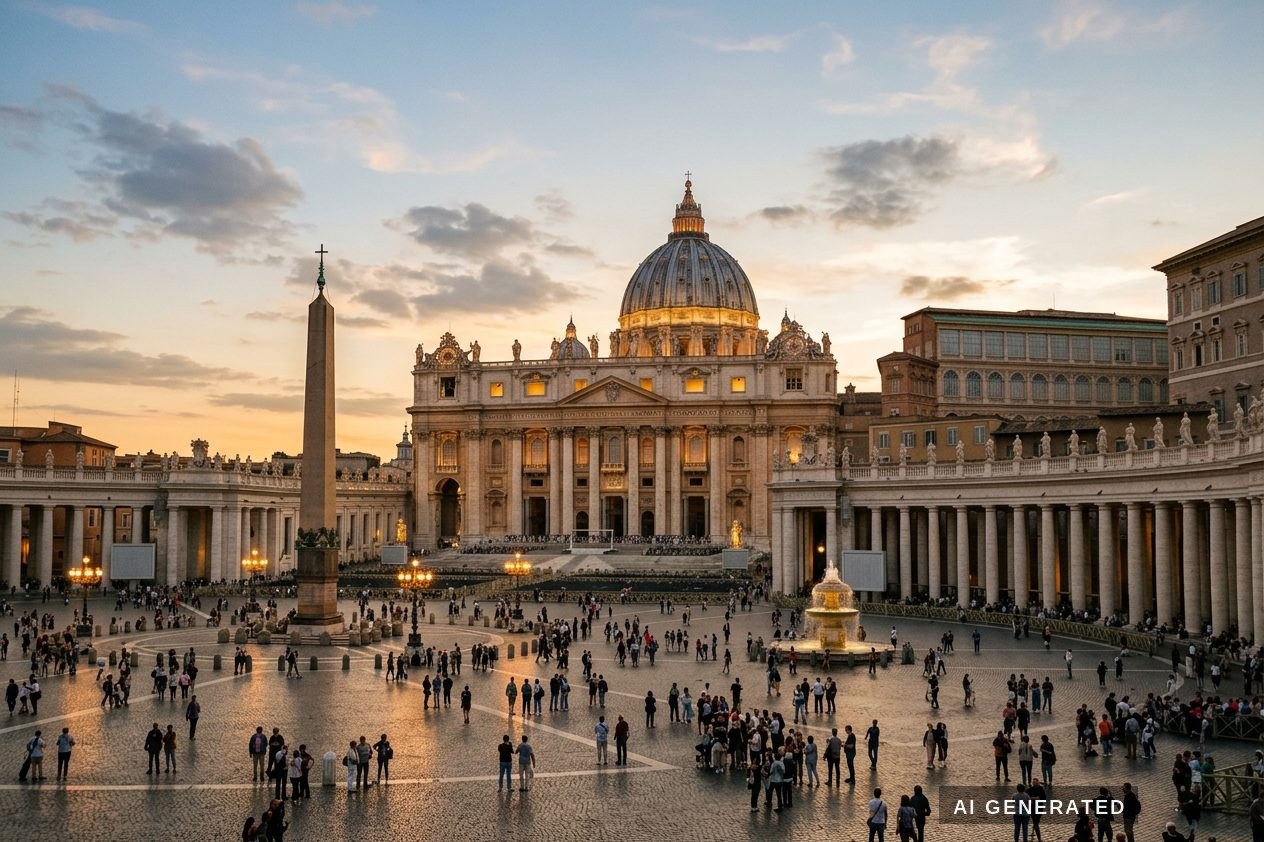
St Peter's Basilica
The biggest church ever built, with Michelangelo's dome over the tomb of Peter the fisherman.
 4/5 Significance
Santiago de Compostela, Spain
Camino de Santiago
A walking route of about 800 km across northern Spain to the tomb of Saint James. People have walked it for over 1,000 years.
 4/5 Significance
Santiago de Compostela, Spain
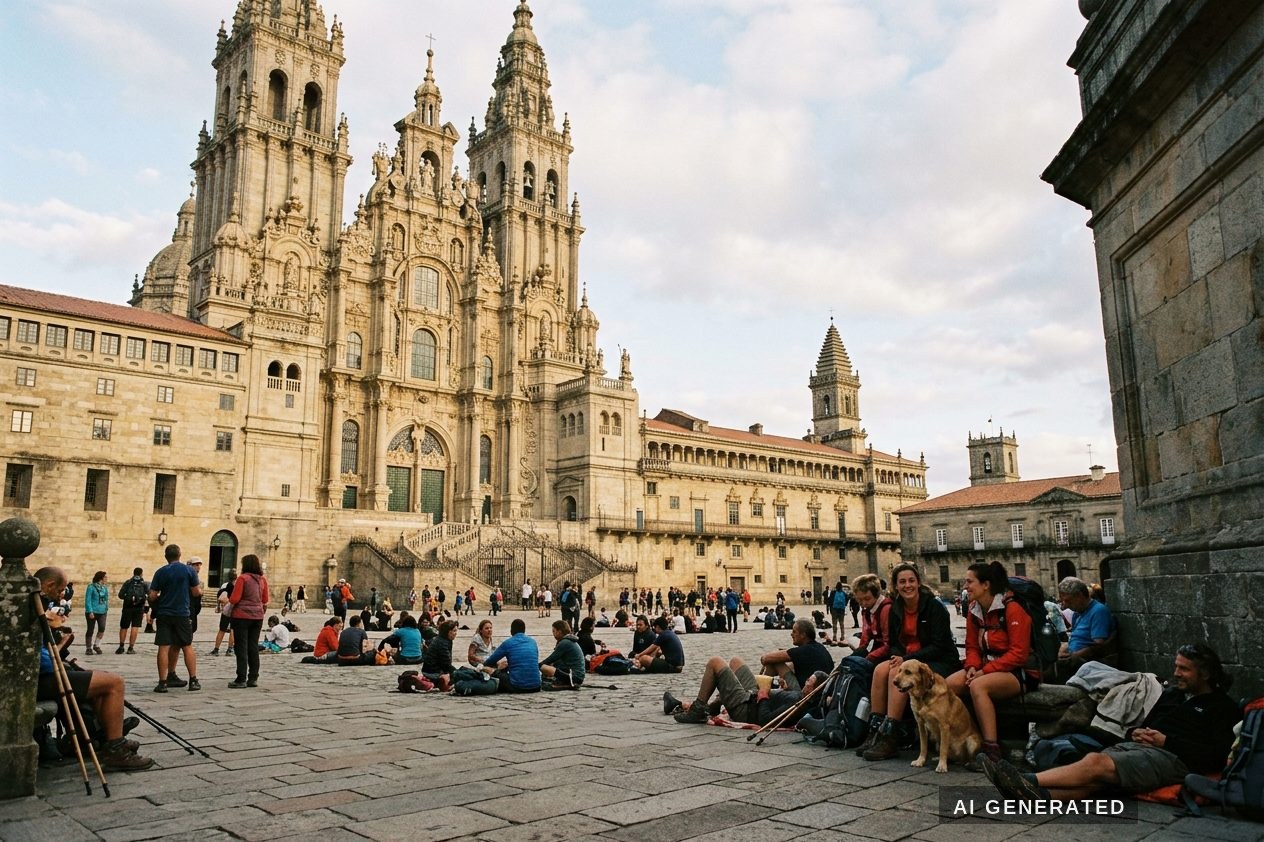
Cathedral of Santiago de Compostela
The end of the Camino walk. Inside, a huge 80-kilo incense burner swings high across the church.
 3/5 Significance
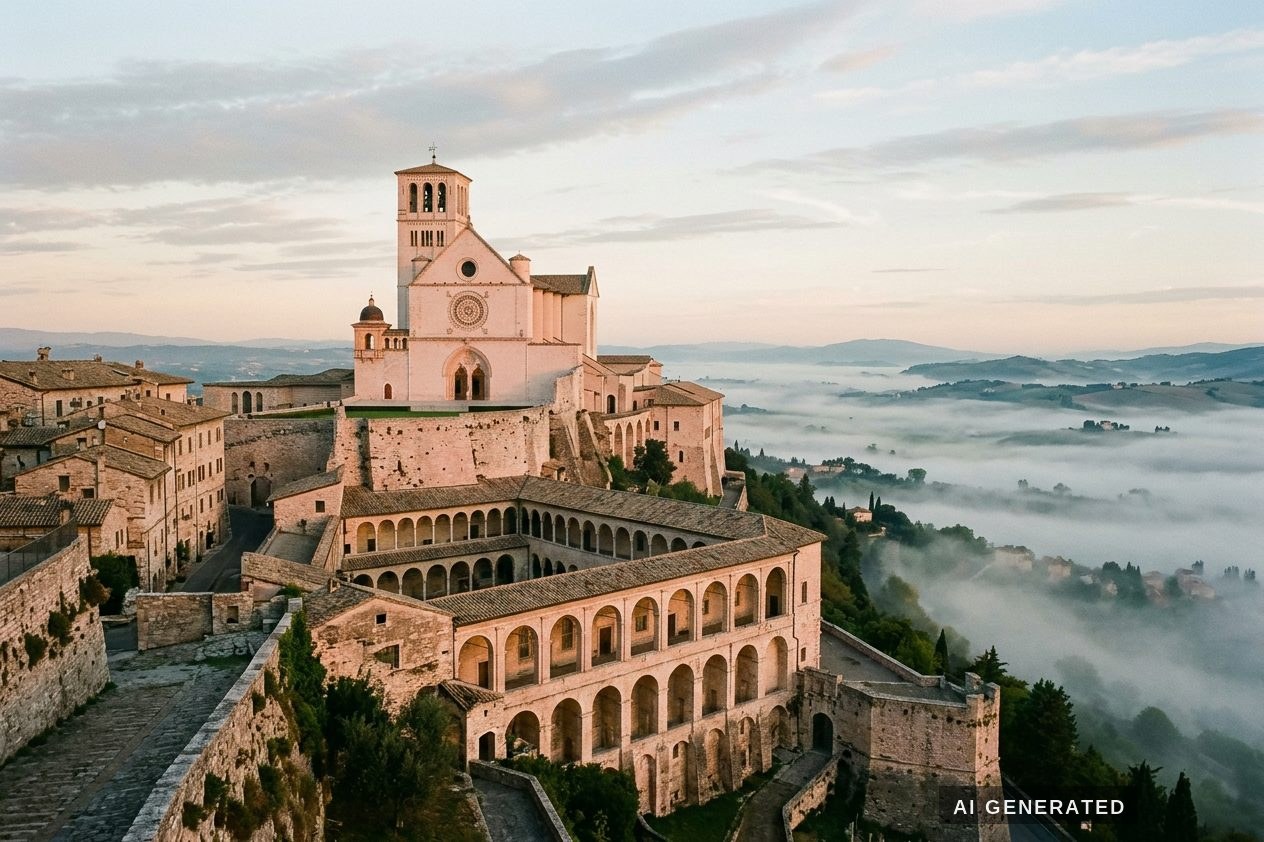
Assisi, Italy
Basilica of St Francis
The home town of Saint Francis, who loved animals and gave away everything. His tomb is under a church full of famous paintings.
 3/5 Significance
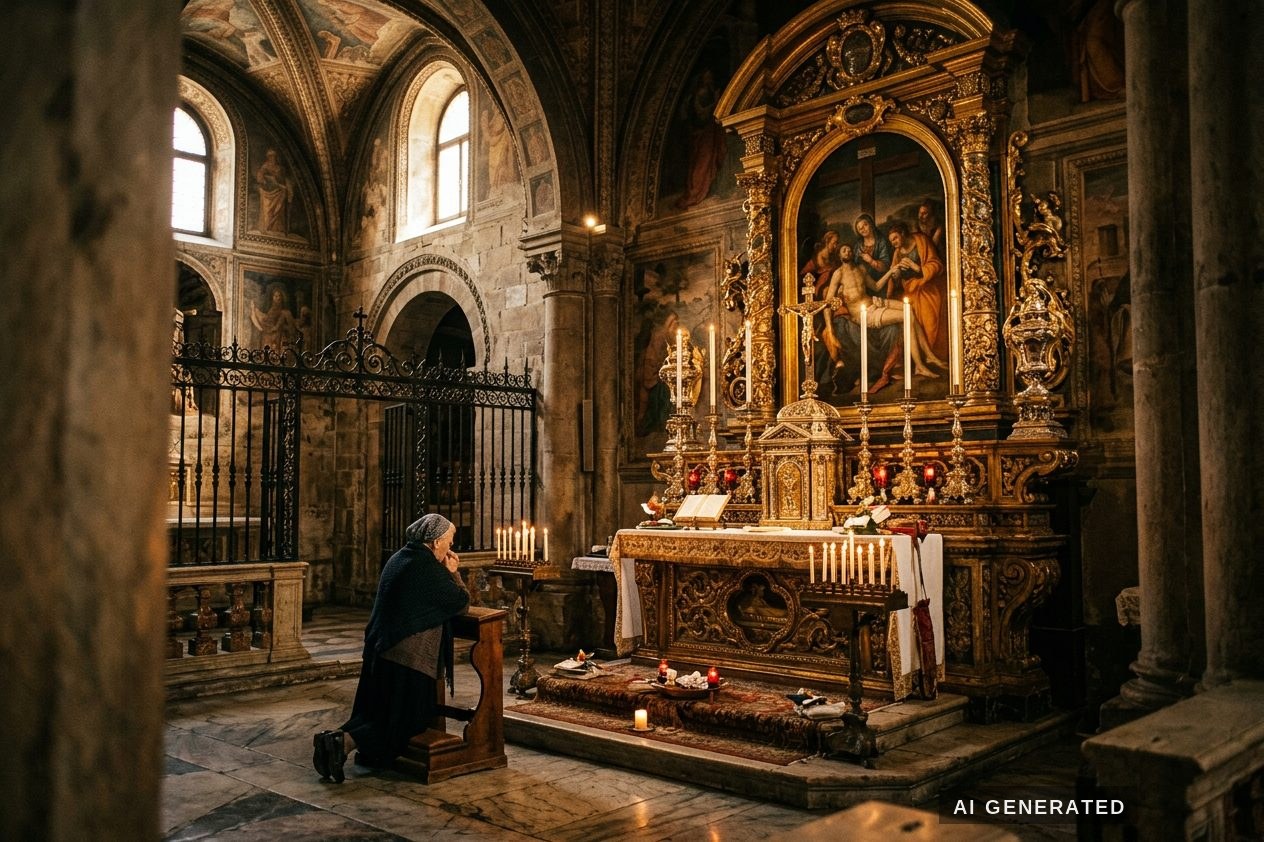
Turin, Italy
Turin Cathedral and the Shroud
A 4.4-metre linen cloth with the faint image of a crucified man. It is the most studied object in the world.
 3/5 Significance
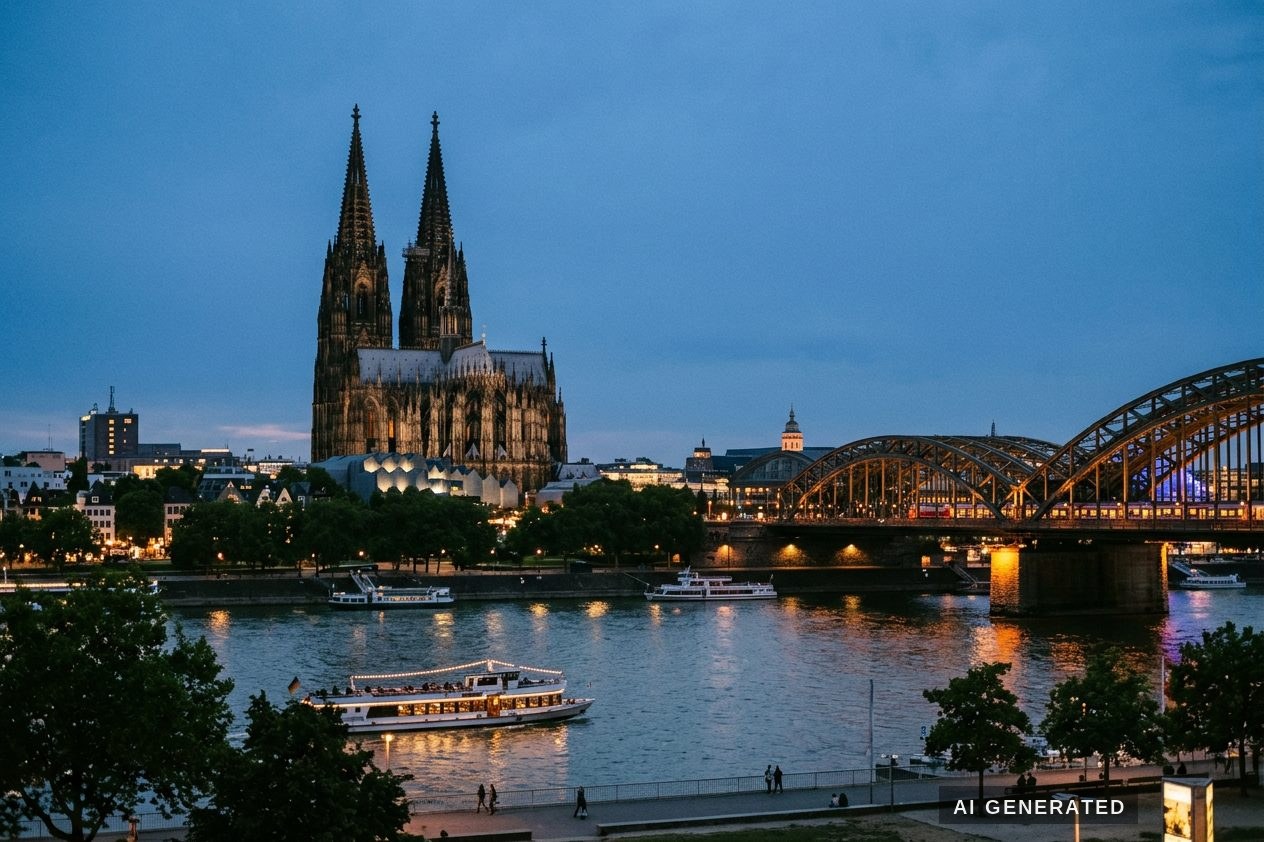
Cologne, Germany
Cologne Cathedral
A giant German church that took 632 years to build. Inside is a gold box said to hold the bones of the wise men.
 3/5 Significance
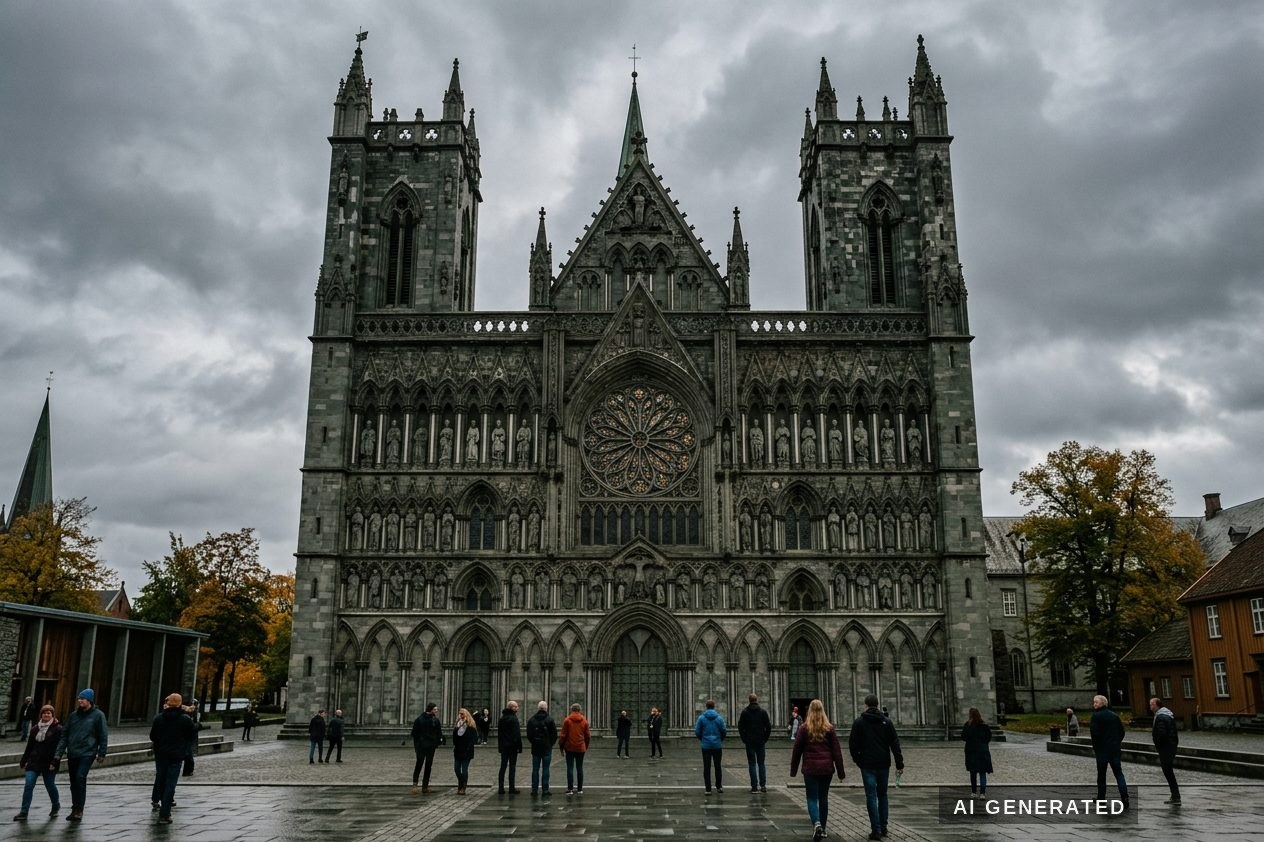
Trondheim, Norway
Nidaros Cathedral
A Norwegian cathedral built over the grave of Saint Olav. It is the most northern medieval cathedral in the world.
 3/5 Significance
Trondheim, Norway
St Olav's Way
A 640 km walking route from Oslo over the mountains to Saint Olav's grave in Trondheim. The most northern pilgrim path in the world.