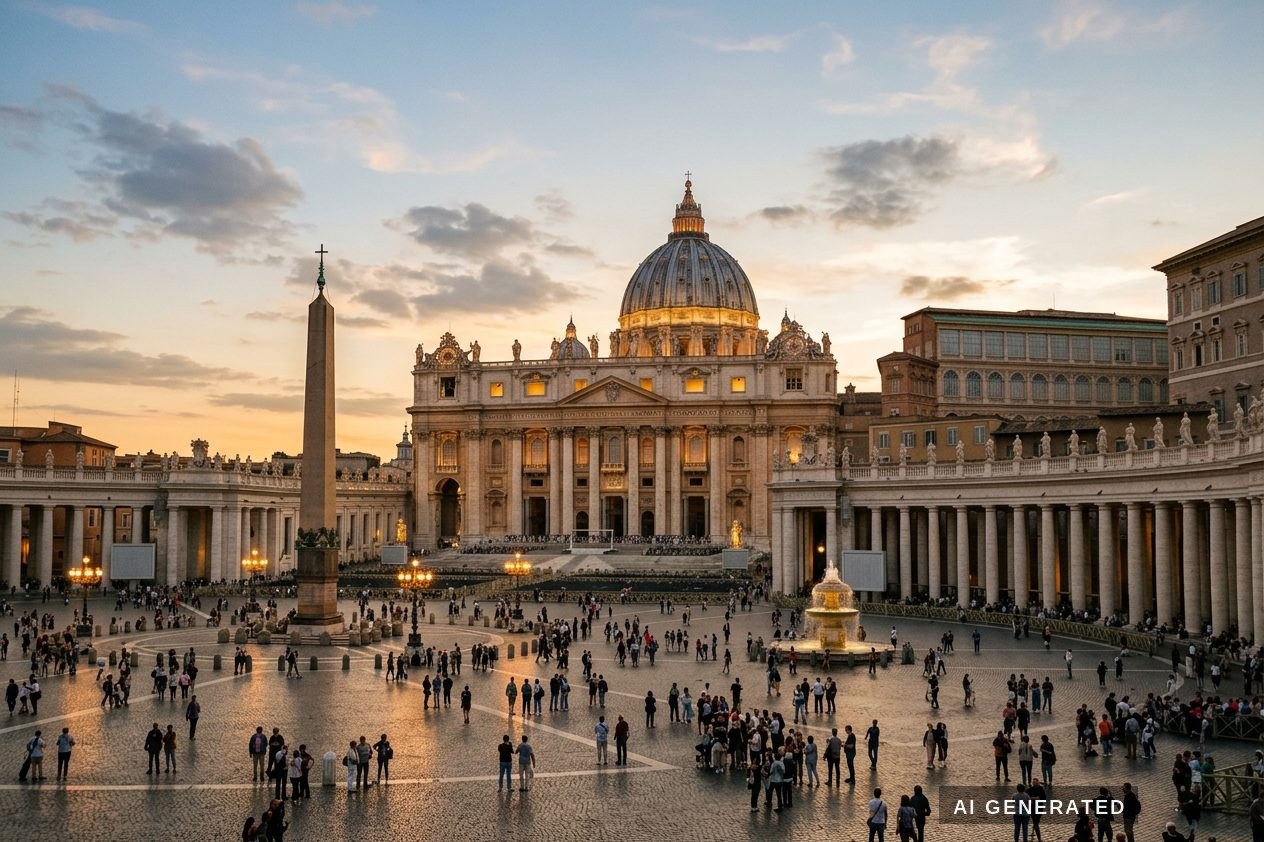
Vatican City, Vatican City
St Peter's Basilica
The biggest church ever built, with Michelangelo's dome over the tomb of Peter the fisherman.
Biblical significance
St Peter's is the biggest church in the world inside, and the main church of the Catholic world. It stands here for one reason: it was built over an old Roman graveyard on the Vatican hill, above a grave that Christians were already marking as Peter's by around 160 AD.
It is also packed with more great art than almost anywhere else. Bramante, Michelangelo, Maderno and Bernini all worked on it, and Michelangelo's Pietà stands just inside the door.
Constantine built the first basilica in the 320s over a modest first-century grave marked in a pagan necropolis; twentieth-century excavation under the high altar found the shrine and bones the tradition names. The Renaissance rebuilding ran from 1506 to 1626 and consumed Bramante, Raphael, Michelangelo and Bernini in turn. The indulgence campaign that paid for it triggered Luther's Ninety-Five Theses.
Scripture
Loading the passage…
Open in YouVersion →Loading the passage…
Open in YouVersion →Excerpts from the World English Bible. Full text opens in the YouVersion Bible app.
History
The story of St Peter's Basilica
The necropolis and the trophy of Gaius
The Vatican hill held a pagan and Christian burial ground beside Nero's circus, where early tradition places Peter's execution around 64–68 AD. A late second-century shrine, the 'trophy of Gaius', was built over one grave. Excavations from 1940 confirmed the shrine and the cemetery; the identification of specific bones as Peter's, announced in 1968, remains debated among archaeologists.
Constantine's basilica, c. 320
Constantine levelled part of the hillside — an enormous and expensive undertaking — to place the altar of a new basilica directly above that shrine. That old church stood for twelve centuries and was where Charlemagne was crowned in 800.
The new basilica, 1506–1626
Julius II demolished the ageing Constantinian church and began again. Bramante set the plan, Michelangelo designed the dome, and Maderno lengthened the nave. Selling indulgences to fund the work was one of the sparks of the Reformation.
Bernini's square, 1656–1667
The colonnade of 284 columns embracing the piazza was designed to feel like arms welcoming the world; the obelisk at its centre was brought from Egypt by Caligula and stood in Nero's circus.
On the ground
What you can see today
The Pietà
Michelangelo carved it at twenty-four; it is behind glass in the first chapel on the right and busy from opening.
The nave and the floor markers
Bronze lines in the floor show where the world's other great cathedrals would end if placed inside this one.
Bernini's baldachin and the Chair of St Peter
The twisting bronze canopy over the papal altar, and beyond it the alabaster window of the Holy Spirit above the throne reliquary.
The dome climb
551 steps, or a lift to the roof and then 320 steps up a curving passage that leans with the dome, ending on a gallery above Rome.
The Vatican Grottoes
Free access to the level beneath the basilica floor, with papal tombs including John Paul II.
The Scavi (necropolis)
The Roman street of tombs and the shrine beneath the altar. Small guided groups only, booked well in advance through the Excavations Office.
The visit
What to expect when you arrive
- Time needed
- 2–3 hours; add 1 hour for the dome, 1.5 for the Scavi
- Security queue
- Often 30–60 minutes across the square; shortest before 08:00
- Crowds
- Very heavy; Wednesday mornings are given over to the papal audience
- Terrain
- Vast flat interior, then a long narrow stair if you climb
- Dome climb
- Tight, sloping and unsuitable for claustrophobia or heart conditions
- Accessibility
- Basilica and grottoes accessible; the cupola is not
Practicalities
Step by step: how to get there
- 1
Arriving in Rome
Fiumicino Airport connects to Roma Termini by the Leonardo Express in about 32 minutes; Ciampino is served by shuttle buses.
- 2
By metro
Line A to Ottaviano–San Pietro, then about 10 minutes on foot down Via Ottaviano to the square.
- 3
By train or bus
Regional trains stop at Roma San Pietro, south of the basilica; buses 40 and 64 from Termini run to Piazza Pia at the end of Via della Conciliazione.
- 4
On foot
From Piazza Navona or Castel Sant'Angelo it is a pleasant 15–25 minute walk across the Tiber, and the approach along Via della Conciliazione is the view Bernini planned for.
Checklist
Before you go
- Entry to the basilica is free; the dome and the Scavi are ticketed separately, and the Vatican Museums are a different entrance entirely.
- Book Scavi tours months ahead — places are limited and cannot be bought at the door.
- Strict dress code: shoulders covered, no shorts or skirts above the knee, hats off inside. Visitors are turned away daily.
- Large bags, tripods and knives are not allowed through security; there is a small cloakroom.
- The basilica closes to sightseeing during major liturgies and papal audiences.
- Toilets and a post office are on the right side of the square; there is no café inside.
- Cards work almost everywhere in Rome; keep coins for votive candles.
Etiquette
Visiting respectfully
- This is a working church — the Blessed Sacrament chapel on the right is reserved for prayer, with no photography at all.
- Photography is otherwise allowed without flash or tripods.
- Keep your voice down; wardens shush the nave regularly.
- Do not sit on the altar steps or lean on monuments.
- If a Mass begins near you, either join quietly or move away without walking across the front.
Best time to go
Weekday mornings, or late afternoon after the tour groups thin.
Visitor notes
Free; security queue can be an hour. Dome climb is 551 steps or a lift plus 320. Scavi tour of the necropolis must be booked months in advance.
Coordinates
41.9022, 12.4539
On the map
Open the world atlasKeep going
Continue the trail
- Catacombs of San CallistoRome, ItalyEarly Christian burial galleries on the Appian Way.
- RomeRome, ItalyThe wider Christian city — basilicas, martyr sites and the Forum.
- The ColosseumRome, ItalyThe arena at the heart of the persecution traditions.
- Via FrancigenaRome, ItalyThe medieval pilgrim road that ends at this basilica.
Find it on Google Maps
St Peter's Basilica on the map
Open directionsPlan your pilgrimage
Getting to St Peter's Basilica
Everything you need to turn this holy place into a journey. We may earn a commission from these partner links, at no extra cost to you.
Share your experience
Have you been here?
Rate this place and share your experience with other Christrails travellers.
Rate This Place
Be the first to rate this place
Visitor Experiences
No visitor experiences yet. Be the first to share yours.
Share this page
Nearby in this category
 5/5 Significance
Jerusalem, Israel
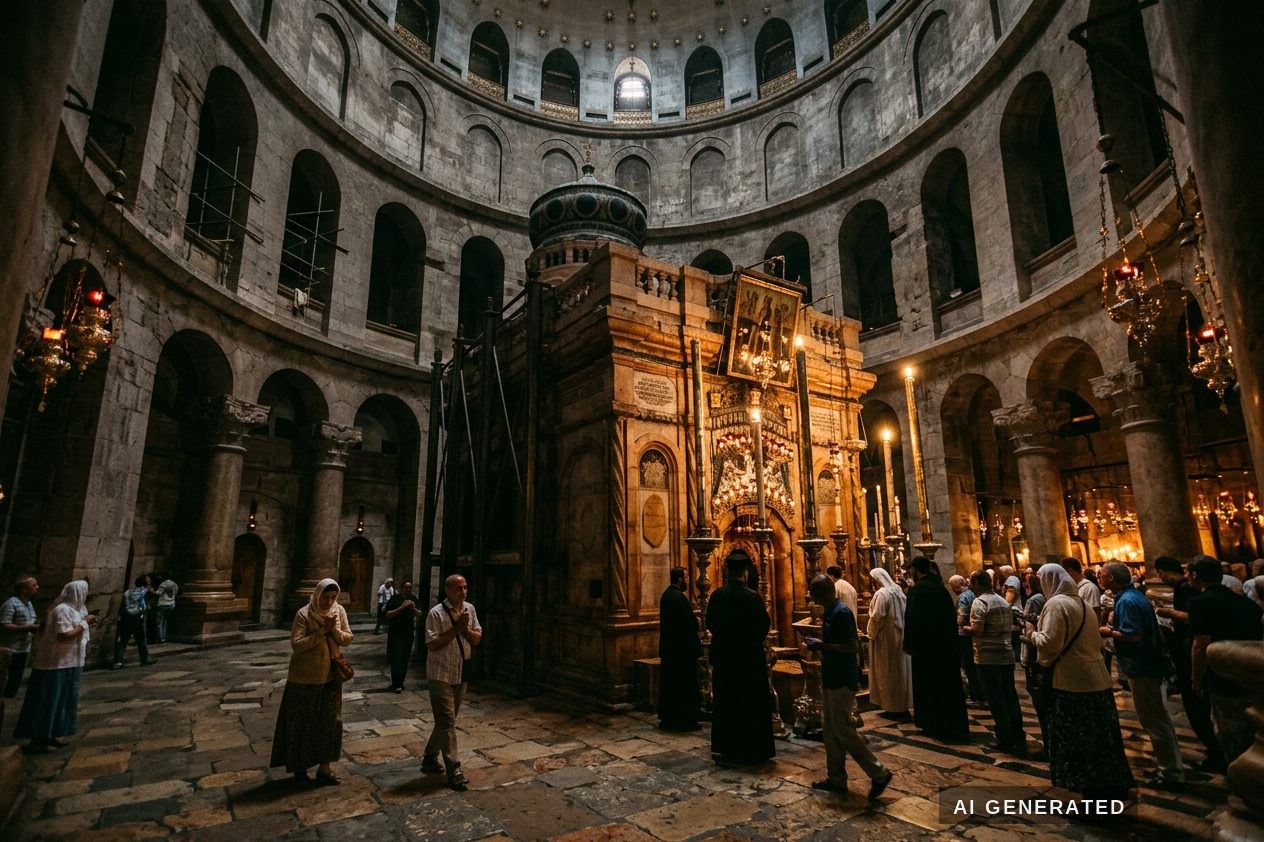
Church of the Holy Sepulchre
The church built where Christians believe Jesus was crucified and buried, and where he rose again. Six different churches share the same building.
 4/5 Significance
Santiago de Compostela, Spain
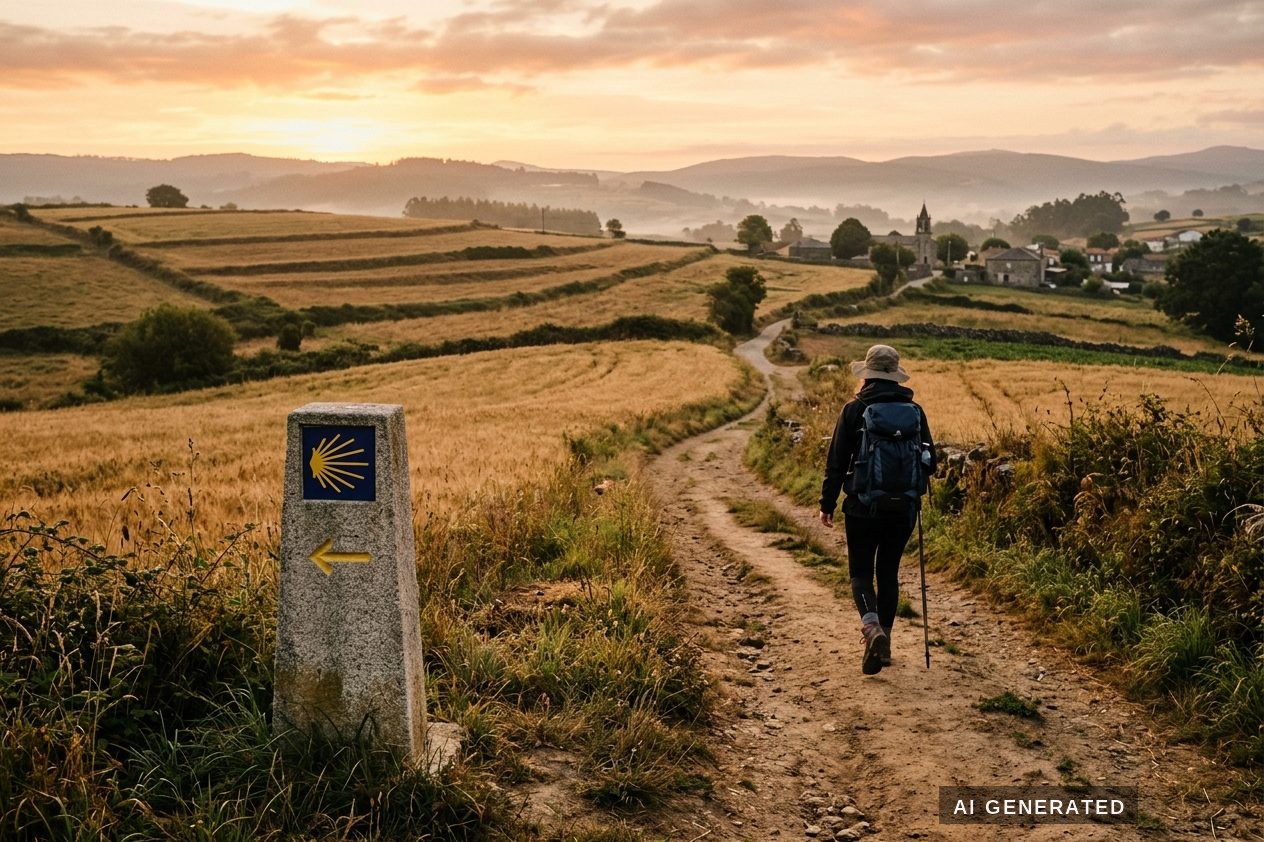
Camino de Santiago
A walking route of about 800 km across northern Spain to the tomb of Saint James. People have walked it for over 1,000 years.
 5/5 Significance
Capernaum, Israel
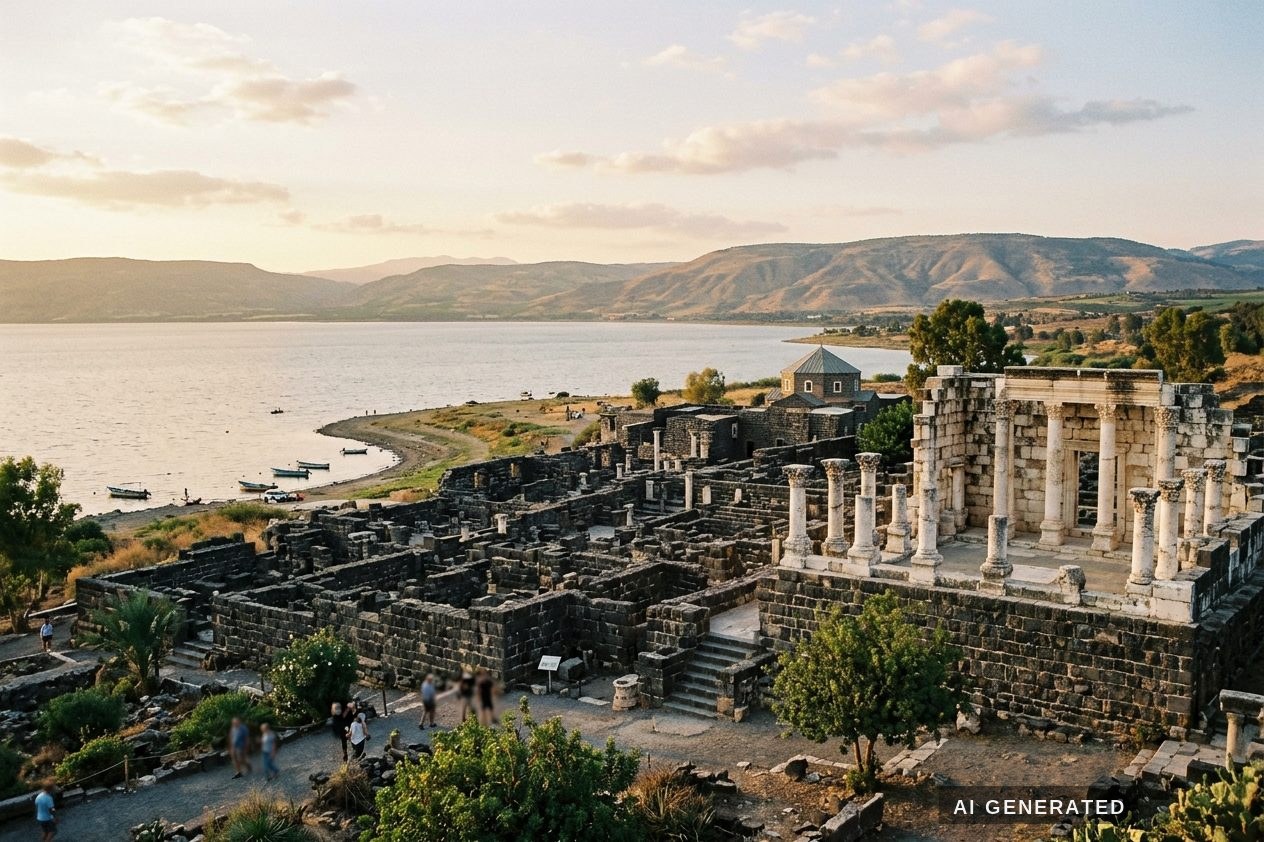
Capernaum
The small fishing village Jesus used as his home base. You can still see the synagogue and a house believed to be Peter's.