Istanbul, Turkey
Hagia Sophia
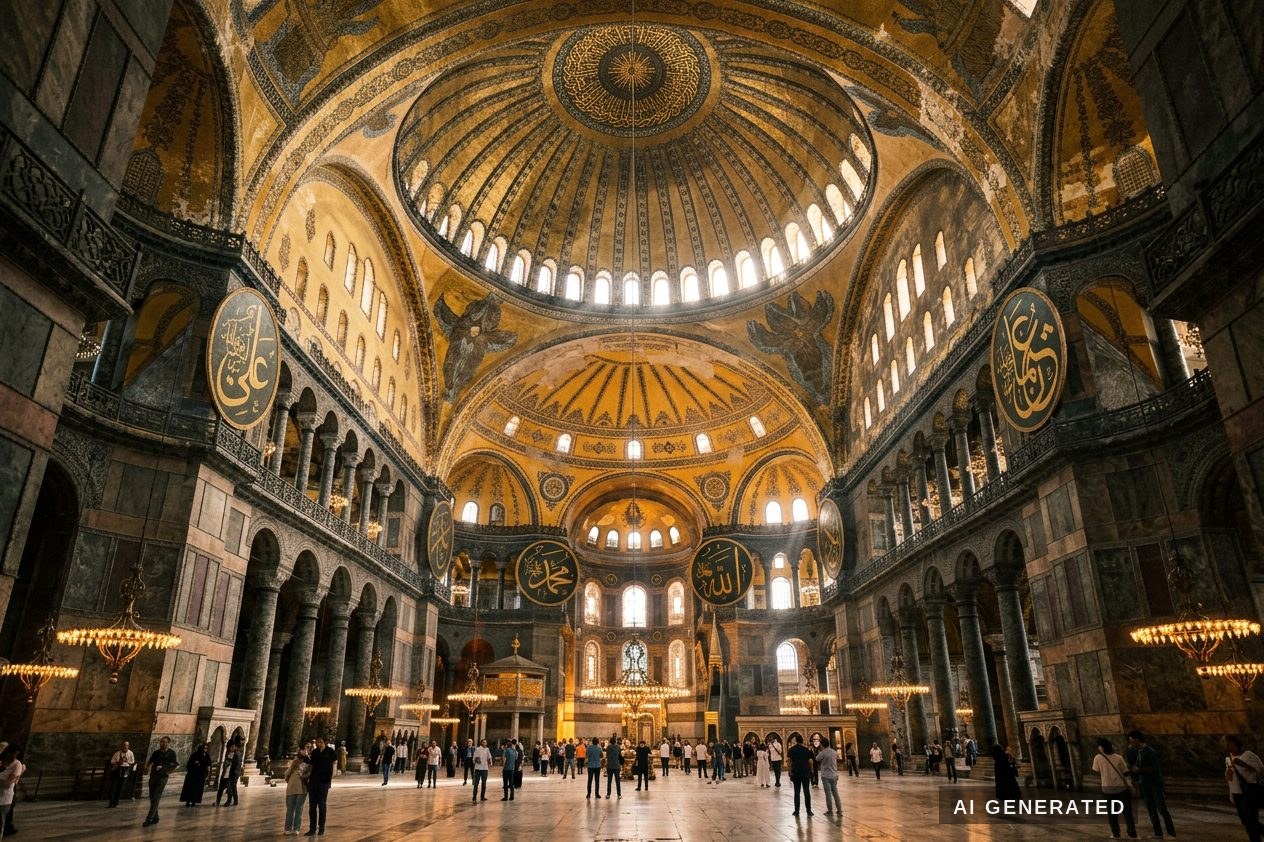
For 900 years the biggest church in the world. It became a mosque, then a museum, and is a mosque again today.
Biblical significance
For almost a thousand years Hagia Sophia was the biggest cathedral in the Christian world and the main church of Eastern Orthodoxy. The way Orthodox services are held today was shaped inside this building.
What happened after 1453 is part of the story too: it became a mosque for almost 500 years, a museum from 1935, and a mosque again since 2020. Standing under the huge dome, you can see the whole religious history of the city in one room.
Completed in 537 in five years, the church of Holy Wisdom set the pattern for Byzantine architecture with a dome that appears to float on a ring of windows. It was the seat of the Ecumenical Patriarch until 1453, hosted the mutual excommunications of 1054, and converted to a mosque after the Ottoman conquest. Byzantine mosaics of Christ Pantocrator and the Deesis survive alongside vast Ottoman calligraphic roundels.
Scripture
Loading the passage…
Open in YouVersion →Loading the passage…
Open in YouVersion →Excerpts from the World English Bible. Full text opens in the YouVersion Bible app.
History
The story of Hagia Sophia
Justinian's church, 532–537
Built in under six years after riots destroyed its predecessor, to a daring design by Anthemius of Tralles and Isidore of Miletus. The dome, 31 m across and seemingly floating on a ring of windows, was without precedent; it partly collapsed in 558 and was rebuilt steeper.
The Great Schism
In 1054 papal legates laid a bull of excommunication on the altar here, one of the flashpoints of the split between Rome and Constantinople. The church was sacked by the Fourth Crusade in 1204.
1453 and the mosque
After the Ottoman conquest Mehmed II converted the building to a mosque. Minarets, a mihrab and later the great calligraphic roundels were added; the figural mosaics were plastered over rather than destroyed, which is why they survive.
Museum and mosque again
Atatürk's government made it a museum in 1935, and American restorers uncovered many of the mosaics. A court ruling in 2020 returned it to use as a mosque; visitors are still admitted outside prayer times.
On the ground
What you can see today
The dome and nave
The vast interior with its ring of windows, marble revetment and the Ottoman calligraphic roundels.
The upper gallery mosaics
The Deësis of about 1261, one of the finest Byzantine mosaics anywhere, plus the imperial panels of Zoe and Comnenus. Gallery access has been restricted at times since 2020 — check on arrival.
The Imperial Door and the Vestibule mosaic
The main ceremonial entrance and, above the exit door, the tenth-century mosaic of Constantine and Justinian presenting city and church to the Virgin.
Marks of centuries of use
The 'weeping column', Viking runes scratched in the gallery parapet, and worn marble where emperors stood.
The neighbourhood
The Blue Mosque, Basilica Cistern, Topkapı Palace and the Hippodrome are all within a few minutes' walk on Sultanahmet square.
The visit
What to expect when you arrive
- Time needed
- 1–1.5 hours
- Crowds
- Extremely busy 10:00–16:00; go at opening
- Prayer closures
- Closed to visitors during the five daily prayers, longest at Friday midday
- Terrain
- Flat nave; the gallery is reached by a steep cobbled ramp
- Interior
- Carpeted prayer floor; parts of the nave may be screened from tourists
- Accessibility
- Ground level accessible; galleries are not
Practicalities
Step by step: how to get there
- 1
Arriving in Istanbul
Istanbul Airport (IST) is about an hour from Sultanahmet by Havaist bus or metro plus tram; Sabiha Gökçen on the Asian side takes longer.
- 2
By tram
T1 tram to Sultanahmet stop — the building is directly in front of you. Buy an İstanbulkart for all public transport.
- 3
By ferry
From Kadıköy or Üsküdar to Eminönü, then one tram stop or a 15-minute uphill walk.
- 4
On foot
From the Grand Bazaar or Galata Bridge it is a 15–20 minute walk through Sultanahmet.
Checklist
Before you go
- Foreign visitors pay an entrance fee and enter by a separate door from worshippers.
- Check prayer times before you go; visiting hours are cut around each one.
- Women need a headscarf, and everyone needs covered shoulders and knees; scarves are available at the entrance.
- Shoes come off and go in a bag you carry — socks recommended.
- Large backpacks are discouraged; there is no substantial cloakroom.
- Buy a combined Sultanahmet plan: Hagia Sophia early, Basilica Cistern midday, Topkapı after.
- Cards are widely accepted in Istanbul; keep small lira for the tram and tips.
Etiquette
Visiting respectfully
- This is an active mosque — do not walk in front of people praying, and keep to the visitor areas.
- Photography is allowed in the visitor sections but not of worshippers, and never during prayer.
- Silence your phone; conversation should be quiet even in the busy nave.
- Do not touch the mosaics or lean on the marble revetment.
Best time to go
Weekday mornings outside prayer times.
Visitor notes
Now a working mosque; entry is free but closed to visitors during prayers. Head covering required for women.
Coordinates
41.0086, 28.9802
On the map
Open the world atlasKeep going
Continue the trail
Find it on Google Maps
Hagia Sophia on the map
Open directionsPlan your pilgrimage
Getting to Hagia Sophia
Everything you need to turn this holy place into a journey. We may earn a commission from these partner links, at no extra cost to you.
Share your experience
Have you been here?
Rate this place and share your experience with other Christrails travellers.
Rate This Place
Be the first to rate this place
Visitor Experiences
No visitor experiences yet. Be the first to share yours.
Share this page
Nearby in this category
 4/5 Significance
Vatican City, Vatican City
St Peter's Basilica
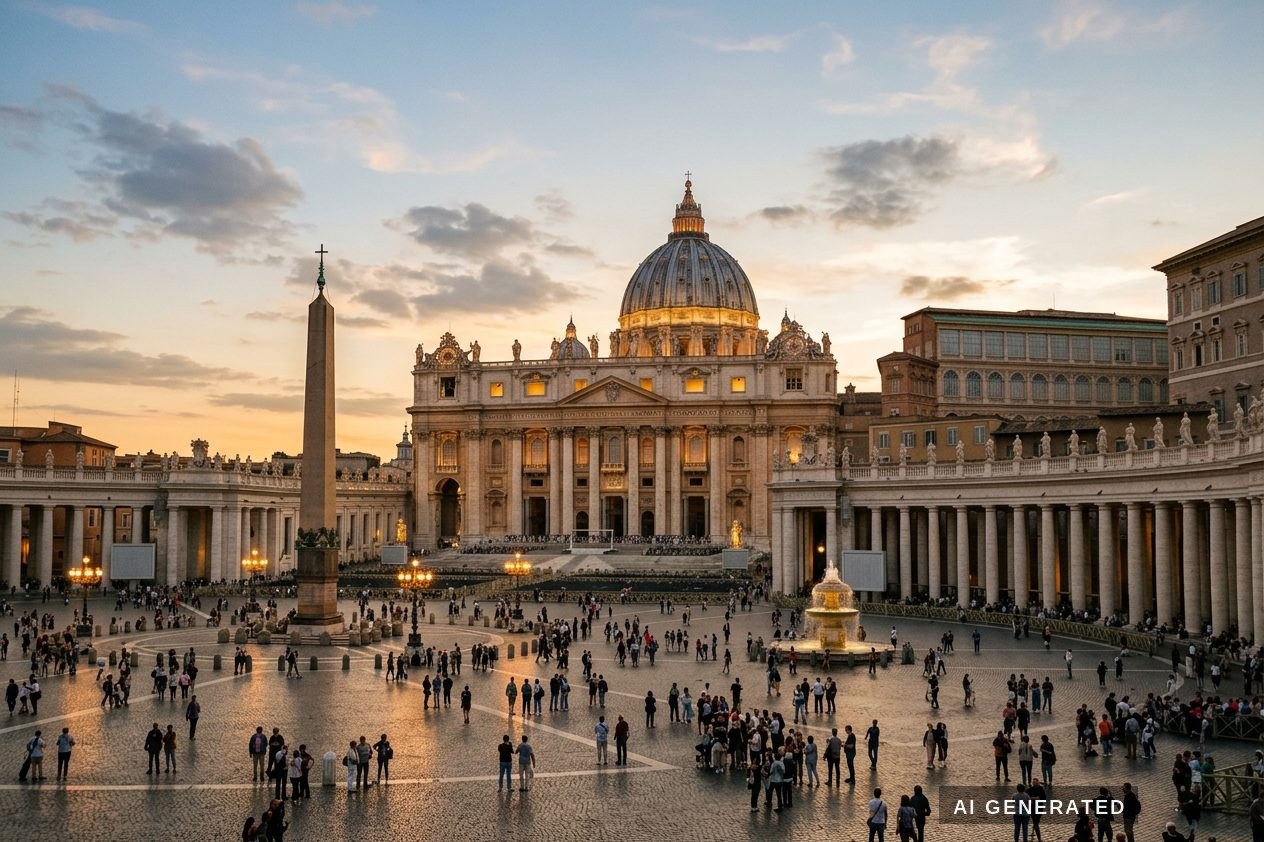
The biggest church ever built, with Michelangelo's dome over the tomb of Peter the fisherman.
 5/5 Significance
Capernaum, Israel
Capernaum
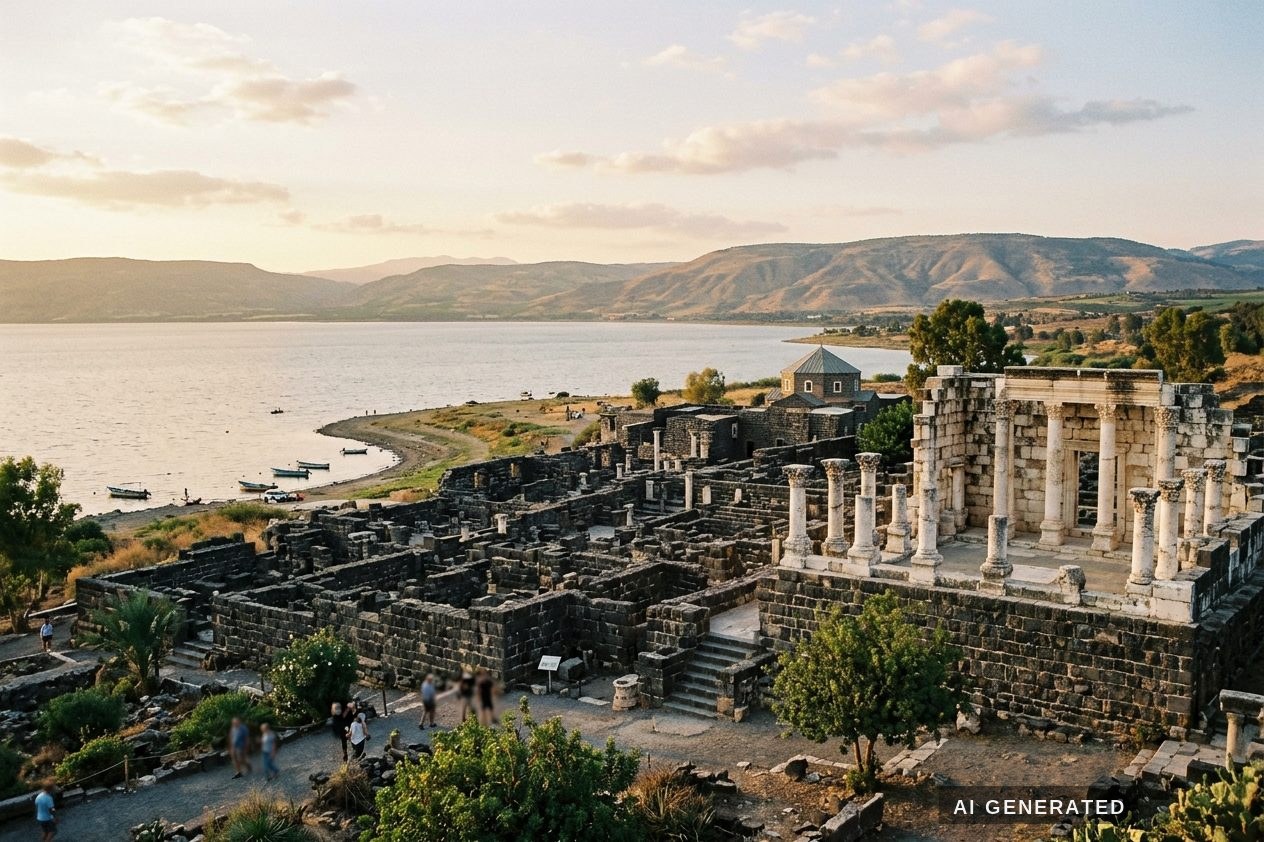
The small fishing village Jesus used as his home base. You can still see the synagogue and a house believed to be Peter's.
 5/5 Significance
Selçuk, Turkey
Ephesus
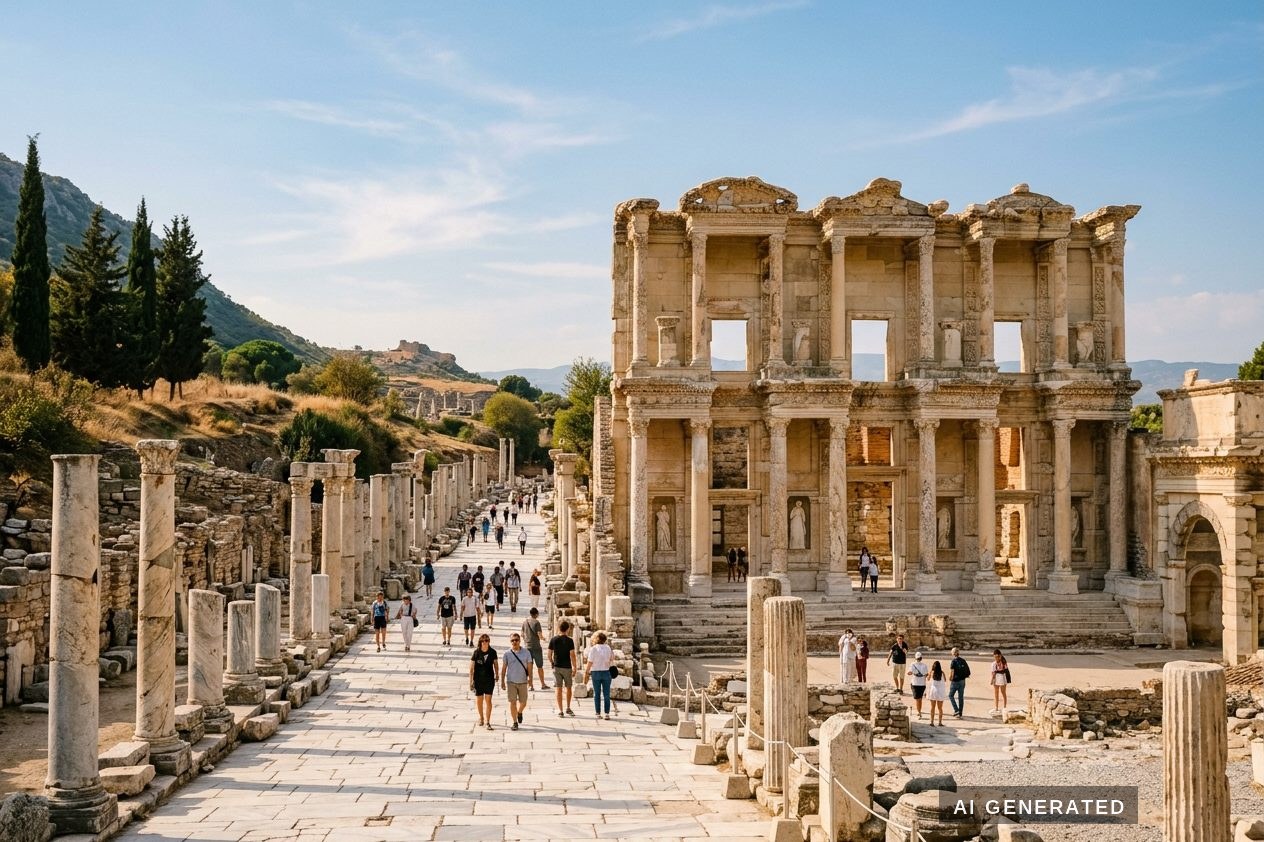
Paul lived here for three years, and his preaching once caused a riot. The ruins are some of the best kept in the world.